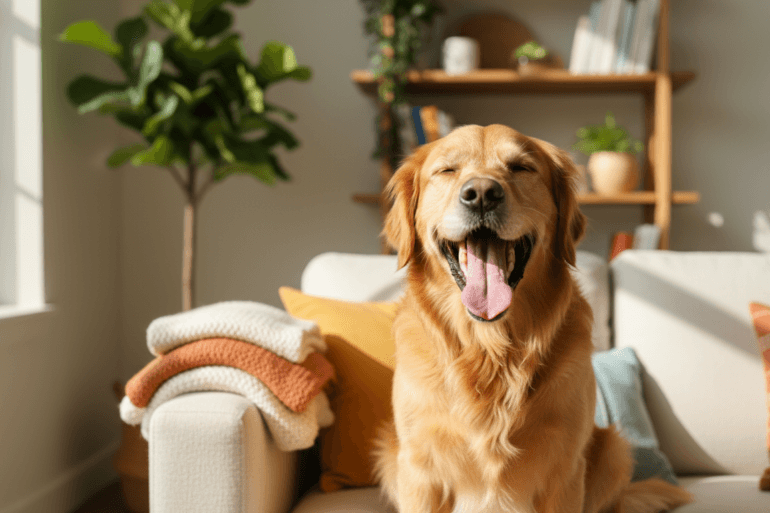
Dog Yawning Explained: What Your Dog’s Yawn Really Means?
Have you ever noticed your dog yawning and wondered what it really means? Dogs, much like humans, yawn for different reasons, but in dogs, a yawn often communicates more than just tiredness. It can reveal how your pup is feeling both emotionally and physically.
Understanding your dog’s behavior, including subtle signals like yawning, plays an important role in their overall well-being. Just like regular exercise and a consistent dog grooming service, observing these small behavioral cues helps keep your dog comfortable, healthy, and stress-free.
In this article, we’ll dive into the fascinating world of dog yawning, exploring why dogs yawn, what it means when they yawn excessively, and how to interpret this common canine behavior.
Why Do Dogs Yawn?
Yawning is a behavior observed in many animals, including dogs. While human yawns are often associated with tiredness or boredom, dog yawning can have a variety of meanings.

Communication and Social Signals
One of the primary reasons dogs yawn is to communicate. In the canine world, yawning serves as a social signal. It can express a range of emotions, from anxiety and stress to excitement and anticipation. When a dog yawns, it might be trying to calm itself or its surroundings.
Dogs often use yawning to communicate with other dogs and humans. In social settings, a yawn can be a way for a dog to signal that it is not a threat. This is particularly important when dogs meet new friends or encounter unfamiliar situations. By yawning, your dog might be saying, “I’m friendly and mean no harm.”
Yawning can also serve as a tool for group synchronization, helping dogs align their behavior with their pack. This is especially noticeable during group activities or when a dog is trying to bond with its human family. Such social yawning can help strengthen pack unity and ensure smooth interaction.

Stress and Anxiety
Yawning can also be a sign of stress or anxiety in dogs. If your pup yawns frequently in specific situations, such as during a visit to the vet or when meeting new people, it may be expressing discomfort or nervousness. Recognizing these signs can help you address your dog’s anxiety and provide comfort.
Dogs often feel anxious in environments that are unfamiliar or perceived as threatening. Yawning becomes a way for them to cope with stress, much like how humans might bite their nails. In such scenarios, it’s essential to observe other signs of anxiety, such as pacing, whining, or avoiding eye contact, to get a fuller picture of your dog’s emotional state.
Reducing stressors in your dog’s environment can help mitigate anxious yawning. Creating a calm and safe space, providing comforting toys, or using calming aids like pheromone diffusers can make a significant difference. If your dog continues to show signs of stress, consulting a professional dog trainer or behaviorist might be beneficial.
A Calming Mechanism
Interestingly, yawning is also a calming signal for dogs. When a dog feels overwhelmed, yawning can help them relax. This behavior is often seen in social settings where dogs feel the need to diffuse tension.
Dogs use yawning to self-soothe in potentially stressful situations. This behavior is often observed in training sessions, where a dog might yawn to release built-up tension. Recognizing this as a calming mechanism can guide owners in adjusting their training techniques to be more effective and less stressful for their dogs.
Yawning can also be a proactive measure to prevent escalation in tense situations. When a dog perceives a threat or conflict, it may yawn as a way to communicate peaceful intentions. Understanding this can help owners manage interactions with other dogs and prevent potential conflicts.
The Science Behind Dog Yawning
Researchers have studied yawning in dogs to understand its underlying causes and implications. Although there is still much to learn, some scientific explanations have emerged.
Contagious Yawning
Contagious yawning is a phenomenon observed in both humans and animals. It’s the reason you might find yourself yawning after seeing someone else do it. Dogs are no exception. Studies suggest that dogs can catch yawns from both humans and other dogs, indicating a level of empathy and social connection.
Research indicates that contagious yawning in dogs is linked to their ability to empathize with humans. This behavior is more prevalent in dogs that have strong bonds with their owners, suggesting that it reflects a deep social connection. Observing your dog yawn after you do can be a sign of their emotional attunement to you.
The mechanism behind contagious yawning remains a topic of scientific curiosity. Some theories propose that it is connected to mirror neurons, which are brain cells that fire both when an animal acts and when it observes the same action performed by another. This mirroring could explain why dogs, like humans, engage in contagious yawning.
Physiological Needs
Yawning in dogs can also be linked to physiological needs. Similar to humans, dogs might yawn when they are tired or need more oxygen. This type of yawning is often observed after waking up or during periods of relaxation.
Yawning as a physiological response is often a way for dogs to regulate their breathing and body temperature. When a dog yawns, it allows for a deeper intake of oxygen, which can be particularly beneficial after exercise or during relaxation. This type of yawning can be considered a natural response to maintain homeostasis.
In addition to oxygen regulation, yawning might help dogs transition between different states of arousal. After a nap or period of rest, a yawn can help a dog become more alert and ready for activity. Recognizing these yawns can provide insight into your dog’s daily rhythms and needs.
Why Does My Dog Yawn So Much?
If you’ve noticed your dog yawning excessively, it could be a sign of underlying issues. Understanding the context and frequency of yawns can help you determine if there’s a cause for concern.
Excessive Yawning and Health Concerns
While yawning is generally harmless, excessive yawning might indicate health concerns. If your dog yawns repeatedly and shows other signs of distress, such as panting or pacing, it could be experiencing pain or discomfort. In such cases, consulting a veterinarian is advisable.
Excessive yawning, particularly when coupled with other symptoms, can be indicative of various health issues. These can range from dental problems to gastrointestinal discomfort or even neurological conditions. Paying attention to your dog’s overall behavior and physical condition can help in identifying any health concerns early.
Regular veterinary check-ups are crucial in ensuring your dog’s health. If you notice a sudden increase in yawning, it might be worth discussing with your vet. They can conduct a thorough examination and suggest any necessary diagnostic tests to rule out medical causes.
Behavioral Triggers
Certain triggers or changes in routine can lead to increased yawning. For instance, a new environment, change in family dynamics, or the introduction of another pet can cause stress, leading to more frequent yawning.
Changes in a dog’s environment can be unsettling and lead to stress-induced yawning. This might include moving to a new home, the arrival of a new baby, or even changes in the daily routine. Understanding the root cause of these behavioral triggers can help in managing your dog’s stress levels.
Introducing gradual changes and providing consistent reassurance can help your dog adjust. Engaging in familiar and comforting routines, offering extra playtime, and maintaining stability in their environment can reduce stress-related yawning. Observing your dog’s response to changes can guide you in making necessary adjustments.
What Does It Mean When a Dog Yawns When I Pet Him?
Many dog owners notice their dogs yawning when being petted. This behavior can have different meanings depending on the context.
Showing Contentment
In some cases, yawning while being petted may simply indicate relaxation and contentment. Your dog might feel comfortable and safe, expressing this through a calming yawn.
When a dog yawns during petting, it can be a sign that they are enjoying the interaction. This yawn is often accompanied by other signs of relaxation, such as a wagging tail, soft eyes, and a relaxed body posture. Recognizing these cues can assure you that your petting is appreciated and comforting to your dog.
Yawning in contentment can also occur when a dog is transitioning into a more relaxed state. After an active play session, a yawn during petting might indicate that your dog is winding down and ready to rest. Observing the context and accompanying body language can provide insights into your dog’s comfort level.
Indicating Discomfort
Conversely, if your dog yawns when you pet them, it might be signaling discomfort. Pay attention to body language—if your dog seems tense or tries to move away, it could be a sign that they want some space.
Yawning as a sign of discomfort can be subtle but telling. If your dog yawns and simultaneously displays signs of unease, such as a stiff body or flattened ears, it might be time to give them some space. Understanding this can prevent overstimulation and help maintain positive interactions.
Recognizing discomfort-related yawning can guide you in adjusting your approach to petting. Some dogs prefer gentle strokes, while others might enjoy more vigorous petting. Observing your dog’s reactions and preferences can help you provide the most enjoyable and stress-free interactions.
Interpreting Your Dog’s Yawn: A Guide
Understanding your dog’s yawning behavior involves observing patterns and contexts. Here are some tips to help you interpret their yawns accurately:
Observe the Environment
Take note of what’s happening around your dog when they yawn. Are they in a new place, meeting new people, or surrounded by loud noises? These environmental factors can influence yawning behavior.
Environmental factors play a significant role in influencing a dog’s yawning. A new environment, such as a bustling park or a crowded family gathering, can be overwhelming and lead to increased yawning. Observing how your dog reacts in different settings can help you understand their comfort levels and make necessary adjustments to reduce stress.
Monitoring your dog’s interactions with other animals and people can also provide insights into their yawning behavior. A yawn during a playdate might indicate excitement, while a yawn in a busy household might signal the need for a quiet retreat. Understanding these contexts can guide you in creating a more supportive environment for your dog.
Watch for Additional Cues
Yawning is often accompanied by other body language signals. Look for signs such as tail position, ear movement, and overall demeanor to gain a better understanding of your dog’s emotional state.
Your dog’s body language can provide valuable context to their yawns. A wagging tail combined with a yawn might indicate happiness, while pinned-back ears and a yawn might signal nervousness. Observing these cues can help you accurately interpret your dog’s emotions and respond appropriately.
Understanding the interplay between yawning and other body signals can enhance your communication with your dog. This knowledge allows you to anticipate their needs, provide comfort when necessary, and ensure positive interactions. Being attuned to these subtleties can significantly improve your bond with your dog.
Consider the Timing
When does your dog yawn the most? Is it during specific activities, like playtime or car rides? Recognizing patterns can help you identify triggers and address any underlying issues.
Timing plays a crucial role in understanding your dog’s yawns. Frequent yawning during car rides might indicate motion sickness or anxiety, while yawning after a vigorous game of fetch might reflect tiredness. Identifying these patterns can help you address specific needs, such as providing breaks during travel or ensuring adequate rest after play.
Understanding the timing of yawns can also guide you in structuring your dog’s daily routine. By anticipating when your dog is likely to yawn, you can plan activities that align with their energy levels and comfort, fostering a harmonious and fulfilling relationship.
Conclusion
Dog yawning is a multifaceted behavior with various meanings. By paying attention to context, body language, and frequency, you can decode your pup’s yawns and better understand their needs. Whether they’re communicating stress, relaxation, or something in between, being attuned to your dog’s cues can enhance your bond and improve their overall well-being.
Incorporating this knowledge into your daily interactions will not only help you respond to your dog’s needs but also foster a deeper connection with your furry friend. So next time you see your dog yawn, you’ll have a better idea of what they’re trying to tell you.
Understanding and interpreting your dog’s yawns is an ongoing journey. As you become more adept at reading these cues, you’ll be better equipped to support your dog’s emotional and physical health. This awareness will enrich your relationship and ensure a happy, healthy life for your canine companion.
By continually observing and learning from your dog’s behavior, you can create a nurturing environment where both you and your pet thrive. Embrace the process of discovery, and enjoy the unique insights your dog’s yawns provide into their world. Your attentive care and understanding can make all the difference in your dog’s life.

FAQs
Why do dogs yawn so often?
Dogs yawn for many reasons, including relaxation, stress, communication, tiredness, or as a calming signal. It depends on the situation and surrounding environment.
Is yawning a sign of stress in dogs?
Yes, yawning can indicate stress or anxiety, especially in unfamiliar situations like vet visits, loud environments, or meeting new people.
Do dogs yawn when they are happy?
They can. A relaxed yawn during calm moments or while being gently petted often means your dog feels safe and comfortable.
What does it mean when my dog yawns while I pet them?
It may signal relaxation, but it can also mean your dog feels overstimulated. Body language like stiff posture or turning away helps clarify the meaning.
Can dogs catch yawns from humans?
Yes, dogs can experience contagious yawning from humans, especially when they share a strong emotional bond with their owner.
Is excessive yawning in dogs normal?
Occasional yawning is normal, but frequent or sudden excessive yawning may indicate stress, discomfort, or a health issue.
Can yawning be a calming signal between dogs?
Yes, dogs use yawning as a calming signal to reduce tension and show non-threatening intentions during social interactions.
Do dogs yawn when they are tired like humans?
Absolutely. Dogs often yawn after waking up, before sleeping, or during relaxed moments, similar to human tiredness yawns.
Should I be worried if my dog yawns a lot at the vet?
Not usually. Vet visits can be stressful, and yawning is a common way dogs cope with anxiety in unfamiliar or uncomfortable environments.
How can I tell what my dog’s yawn really means?
Look at the context, timing, and body language such as ears, tail, posture, and surroundings to understand the reason behind the yawn.