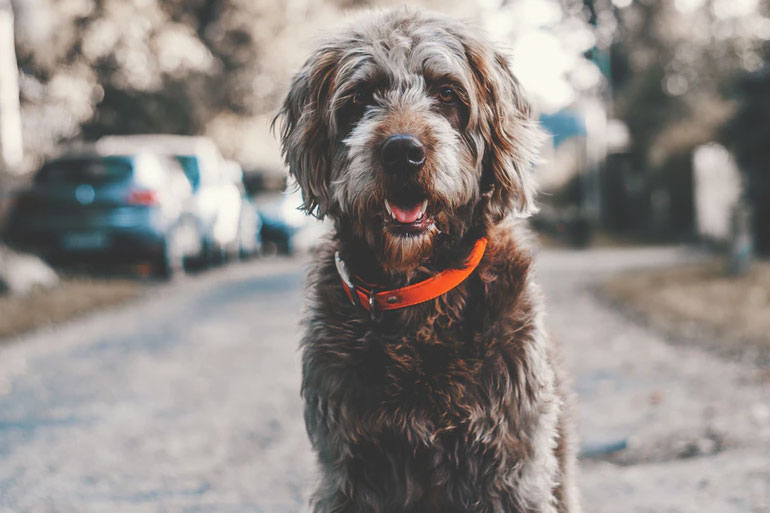
Bad Breath in Dogs: Causes, Treatment, and How to Fix It
Bad breath in dogs is more than just an unpleasant smell. In many cases, it is an early warning sign of underlying health issues, especially dental disease. While occasional odor may seem harmless, persistent bad breath should never be ignored.
If you are noticing a strong smell coming from your dog’s mouth, understanding the root cause is the first step toward fixing it.
Is Bad Breath in Dogs Normal?
No, bad breath in dogs is not normal. While a mild odor can occur after eating, a strong or persistent smell usually indicates a problem.
In most cases, bad breath is linked to dental hygiene issues. Learn more about this in our detailed guide on pet oral hygiene and dental disease.
Common Causes of Bad Breath in Dogs
1. Dental Disease
The most common cause of bad breath is plaque and tartar buildup. Over time, bacteria accumulate and lead to gum infections.
2. Poor Oral Hygiene
Dogs that do not receive regular brushing are more likely to develop odor-causing bacteria.
3. Diet and Eating Habits
Eating low-quality food, table scraps, or even garbage can result in foul-smelling breath.
4. Digestive Issues
Sometimes bad breath originates from the stomach due to digestive problems.
5. Skin and Grooming Issues
Poor grooming can contribute to overall odor. Explore why grooming is important for pets.
Signs That Bad Breath May Be Serious
- Extremely strong or unusual odor
- Bleeding gums
- Difficulty eating
- Excessive drooling
- Loose teeth
If you notice these symptoms, your dog may need immediate attention.
How to Get Rid of Bad Breath in Dogs
1. Brush Your Dog’s Teeth Regularly
Brushing is the most effective way to remove plaque and prevent odor.
2. Use Dental Treats
Dental chews help reduce bacteria and freshen breath.
3. Improve Diet Quality
High-quality food supports better digestion and oral health.
4. Provide Clean Water
Fresh water helps wash away food particles and bacteria.
5. Schedule Professional Grooming
Professional grooming helps maintain hygiene and detect early issues. Learn about mobile dog grooming benefits.
Home Remedies for Dog Bad Breath
- Adding parsley to meals
- Using coconut oil (in moderation)
- Offering crunchy vegetables like carrots
- Providing dental toys
These remedies can help but should not replace proper dental care.
Step-by-Step: Cleaning Your Dog’s Teeth
- Choose a pet-safe toothbrush
- Use dog-friendly toothpaste
- Brush gently in circular motions
- Focus on gum lines
- Reward your dog after brushing
When to See a Professional
If bad breath persists despite regular care, it is time to consult a professional.
Also read about how to maintain your dog between grooming visits.
Common Mistakes to Avoid
- Ignoring early signs
- Using human toothpaste
- Skipping regular brushing
- Relying only on treats
Many owners unknowingly make grooming mistakes. Avoid them by reading top grooming mistakes.
FAQs
Why does my dog’s breath smell so bad?
It is usually caused by dental disease, poor hygiene, or diet issues.
Can bad breath be a sign of serious illness?
Yes, it can indicate infections or digestive problems.
How often should I brush my dog’s teeth?
Ideally 2–3 times per week.
Do dental treats really work?
They help but are not a replacement for brushing.
Can grooming help with bad breath?
Yes, professional grooming supports overall hygiene and early detection.
Conclusion
Bad breath in dogs is often a sign of deeper health issues, especially dental disease. By maintaining proper oral hygiene, providing a balanced diet, and scheduling regular grooming, you can prevent most causes of odor.
Taking early action not only improves your dog’s breath but also protects their overall health.
For a convenient solution, explore in-home pet grooming services to keep your dog clean, healthy, and stress-free.